Key Takeaways
- Zinc is an essential trace mineral: It’s involved in many processes related to cell function, growth, and overall wellness.
- The body does not store large amounts of zinc: Regular intake through food or supplements is needed to maintain levels.
- Zinc is found in a variety of foods: Meat, shellfish, legumes, seeds, and fortified foods are among the common dietary sources.
- Different forms of zinc are available in supplements: Products may contain zinc gluconate, citrate, picolinate, or other formulations.
- Too much zinc can cause issues: Excess intake may contribute to digestive discomfort or interfere with copper balance over time.
With so many different types of vitamins and minerals in our food system, it can be difficult to know what they all do. Zinc is a mineral that many people may have heard of, but not many know much about. What does zinc do for the body? How much do you need, and where do you get it?
Here we’ll answer each of those questions and help you understand why zinc is worth knowing about.
What Does Zinc Do for the Body?
Zinc is an essential mineral. It is required for hundreds of enzymes to be able to do their job, which helps keep many parts of your body functioning as they should.
Some of zinc’s important roles include:
Works as an antioxidant
Zinc is a lesser-known but important antioxidant. Antioxidants help protect your body from cellular damage caused by free radicals. If too many free radicals get built up in your body, a condition called oxidative stress can occur, which can lead to many diseases, including cancers, heart disease, and more.
Strengthens your immune system
You may have noticed that zinc is an ingredient in many cold and flu medicines, and for good reason. Zinc is a key component of your immune system. In fact, having even a mild zinc deficiency may weaken your immune system. Zinc can help reduce the risk, severity, and duration of infectious diseases like respiratory infections, HIV, and tuberculosis (TB). It has antioxidant and anti-inflammatory properties, further supporting strong immunity.
Aids wound healing
Zinc supports the repair and growth of cell membranes when they are wounded. This helps explain why having a zinc deficiency can delay wound healing and even lead to skin conditions like dermatitis, swelling, and redness of the skin.
Supports normal growth and development in children
Zinc helps regulate the creation of new DNA, which is an essential component of all cells and life. This means that without zinc, normal growth and development would not occur. Zinc is needed in higher amounts during pregnancy to support the developing child. Zinc deficiency can lead to delayed or abnormal growth and development.
Supports blood sugar control
Zinc enhances the function of insulin, the main hormone that serves to lower your blood sugar levels. It also reduces the creation of glucose (aka the sugar in your body) as well as its absorption into your bloodstream. Thus, zinc can support proper blood sugar control in both type 1 and type 2 diabetes.
Supports normal taste and smell
Most people take their ability to taste and smell for granted, but zinc is largely to thank for these senses. Not having enough zinc can interfere with taste and smell, which can lead to a loss of appetite and other complications as a result. Zinc can be used to treat taste disorders.
How Much Zinc per Day Is Recommended?
The Recommended Dietary Allowances (RDAs) for zinc are listed below:
- Birth to 6 months
- Male: 2mg
- Female: 2mg
- Pregnancy and Lactation values are not specified for this age group.
- 7 months to 3 years
- Male: 3mg
- Female: 3mg
- Pregnancy and Lactation values are not specified for this age group.
- 4 to 8 years
- Male: 5mg
- Female: 5mg
- Pregnancy and Lactation values are not specified for this age group.
- 9 to 13 years
- Male: 8mg
- Female: 8mg
- Pregnancy and Lactation values are not specified for this age group.
- 14 to 18 years
- Male: 11mg
- Female: 9mg
- Pregnancy: 12mg
- Lactation: 13mg
- 19 years and older
- Male: 11mg
- Female: 8mg
- Pregnancy: 11mg
- Lactation: 12mg
Having a zinc deficiency is rare in the United States, but still very possible. People at the greatest risk for zinc deficiency include:
- Children
- Pregnant women
- Elderly adults
- People who have a health condition that may contribute to malnourishment, such as gut or eating disorders.
These people may particularly benefit from taking a zinc supplement. For them and everyone else, zinc supplementation should only be done under the guidance of a medical professional.
What Foods Have Zinc?
Your body does not store zinc. This makes it extra important to get enough zinc in your diet on a regular basis. There are many different food sources of zinc, including:
- Shellfish like oysters, crab, and lobster
- Poultry like chicken and turkey
- Red meats like beef and pork
- Lentils
- Pumpkin seeds
- Peanuts
- Low-fat dairy products like milk, yogurt, and cheese
In Summary
Zinc plays many important roles in your body, from the basic functions of proper growth and development to things like wound healing and protection from diseases. Without zinc, your body wouldn’t be what it is today. Since zinc must come from your diet, it is important to make sure you are eating a balanced diet including foods high in zinc, like meats, lentils, and certain nuts and seeds. You can also talk with your doctor to determine whether taking a zinc supplement may be beneficial for you.
References:
- Jarosz, M., Olbert, M., Wyszogrodzka, G., Młyniec, K., & Librowski, T. (2017). Antioxidant and anti-inflammatory effects of zinc. Zinc-dependent NF-κB signaling. Inflammopharmacology, 25(1), 11–24.
- Lin, P.-H., Sermersheim, M., Li, H., Lee, P. H. U., Steinberg, S. M., & Ma, J. (2017). Zinc in wound healing modulation. Nutrients, 10(1), Article 16.
- Liu, E., Pimpin, L., Shulkin, M., Kranz, S., Duggan, C., Mozaffarian, D., & Fawzi, W. (2018). Effect of zinc supplementation on growth outcomes in children under 5 years of age. Nutrients, 10(3), Article 377.
- MacDonald, R. S. (2000). The role of zinc in growth and cell proliferation. The Journal of Nutrition, 130(5), 1500S–1508S.
- Maywald, M., & Rink, L. (2022). Zinc in human health and infectious diseases. Biomolecules, 12(12), Article 1748.
- Mozaffar, B., Ardavani, A., Muzafar, H., & Idris, I. (2023). The effectiveness of zinc supplementation in taste disorder treatment: A systematic review and meta-analysis of randomized controlled trials. Journal of Nutrition and Metabolism, 2023, Article 6711071.
- National Institutes of Health. (2022). Zinc: Fact sheet for health professionals. NIH Office of Dietary Supplements. U.S. Department of Health and Human Services.
- Prasad, A. S. (2008). Zinc in human health: Effect of zinc on immune cells. Molecular Medicine, 14(5-6), 353–357.
- Ranasinghe, P., Pigera, S., Galappatthy, P., Katulanda, Prasad., & Constantine, G. R. (2015). Zinc and diabetes mellitus: understanding molecular mechanisms and clinical implications. DARU Journal of Pharmaceutical Sciences, 23, Article 44.
- Şıklar, Z., Tuna, C., Dallar, Y., & Tanyer, G. (2003). Zinc deficiency: a contributing factor of short stature in growth hormone deficient children. Journal of Tropical Pediatrics, 49(3), 187–188.
- Wessels, I., Maywald, M., & Rink, L. (2017). Zinc as a gatekeeper of immune function. Nutrients, 9(12), Article 1286.
DISCLAIMER:
These statements have not been approved by the Food and Drug Administration. These products are not intended to diagnose, treat, cure, or prevent disease.























































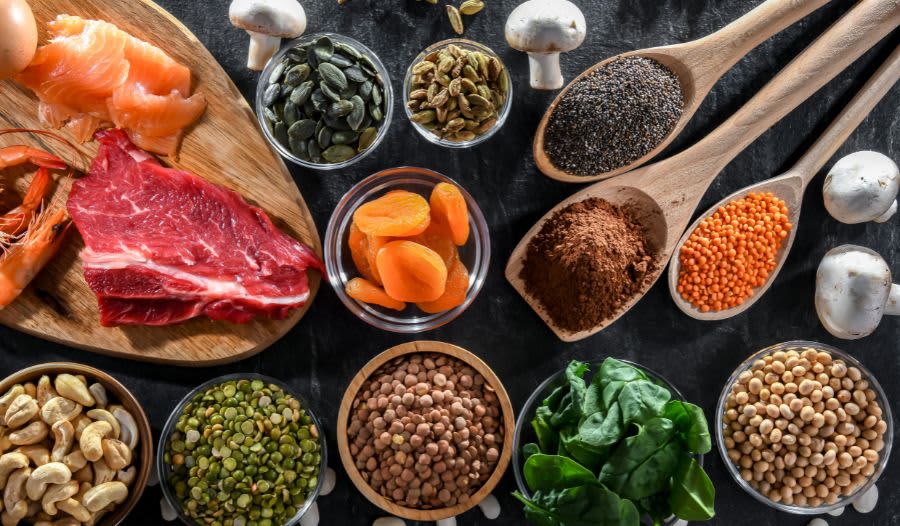
 Table of Contents